MINISTERS will be told they can’t green-light Covid jabs for children until more is known about the potential risks, it’s reported.
Health chiefs are preparing to tell the Government vaccinations for youngsters under the age of 18 aren’t yet recommended.

Read our coronavirus live blog for the latest updates
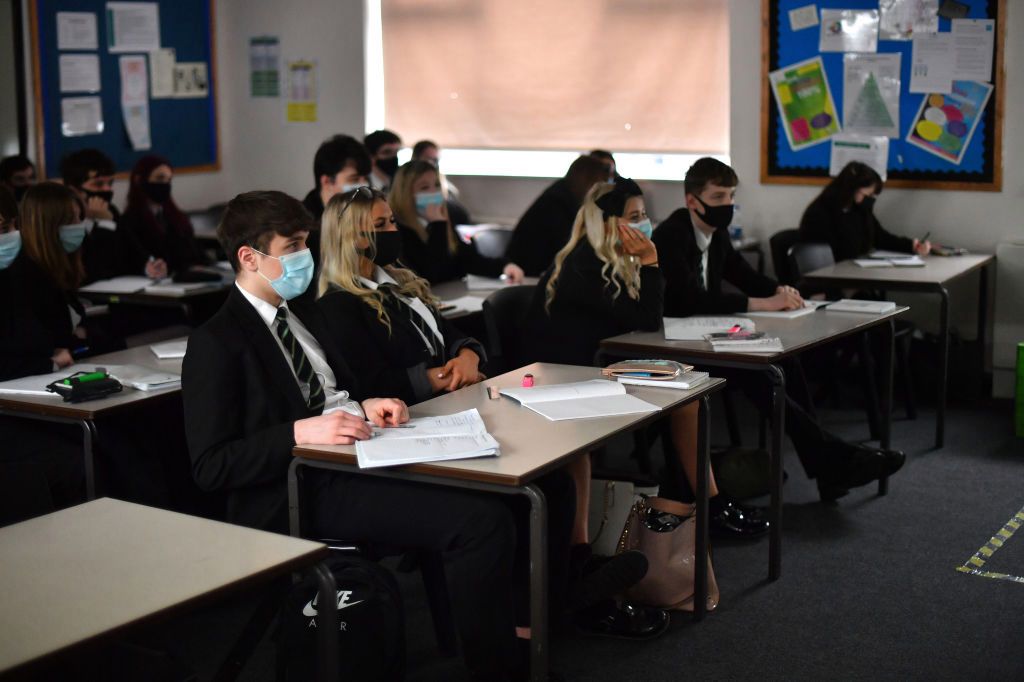
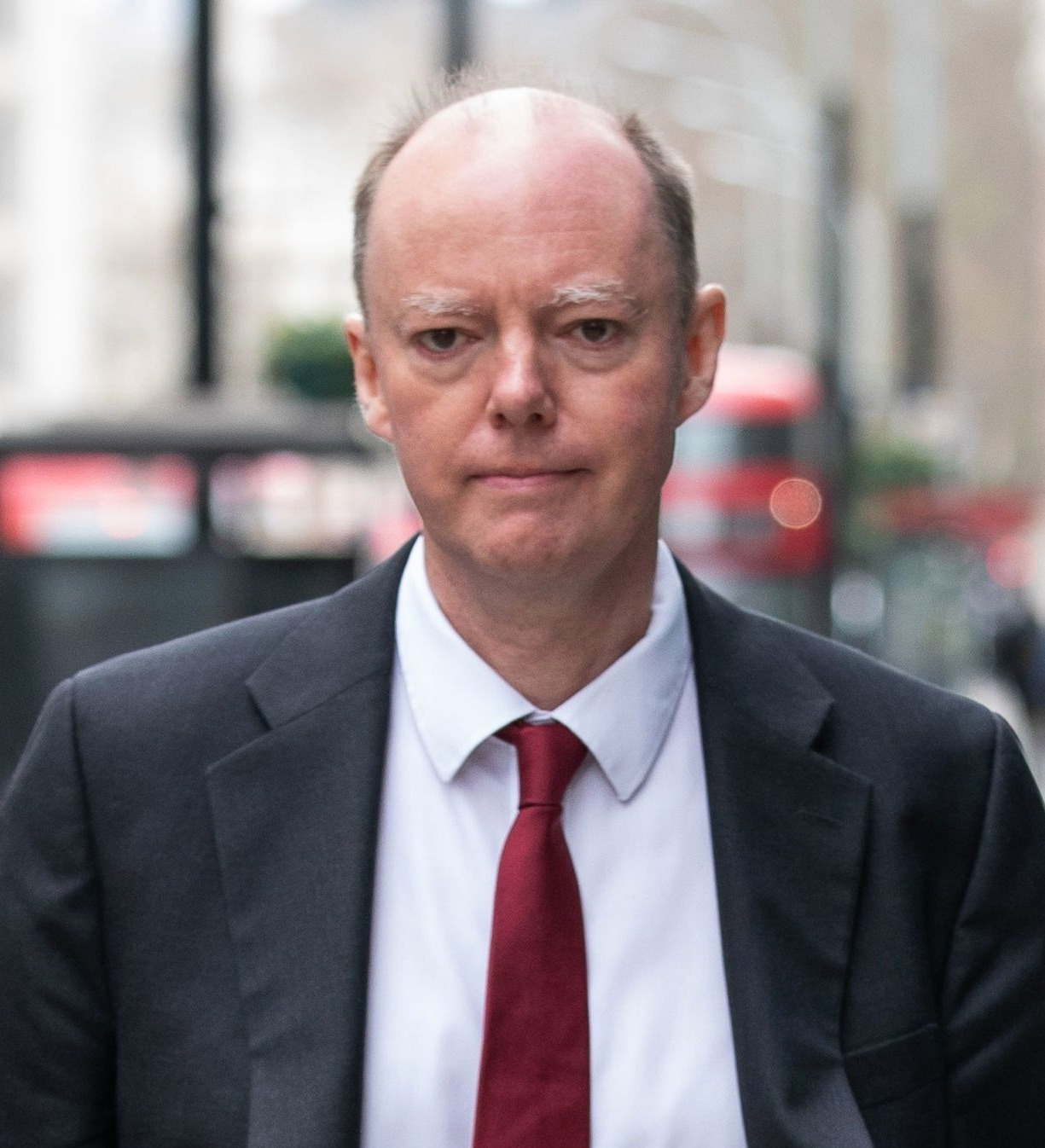
It comes after Professor Chris Whitty told Brits officials are weighing up the value of inoculating schoolkids – because of the damage caused by missing their education.
And the Telegraph reports that experts on the Joint Committee on Vaccination and Immunisation (JCVI) are expected to advise Boris Johnson not to order jabs for children yet.
It comes as:
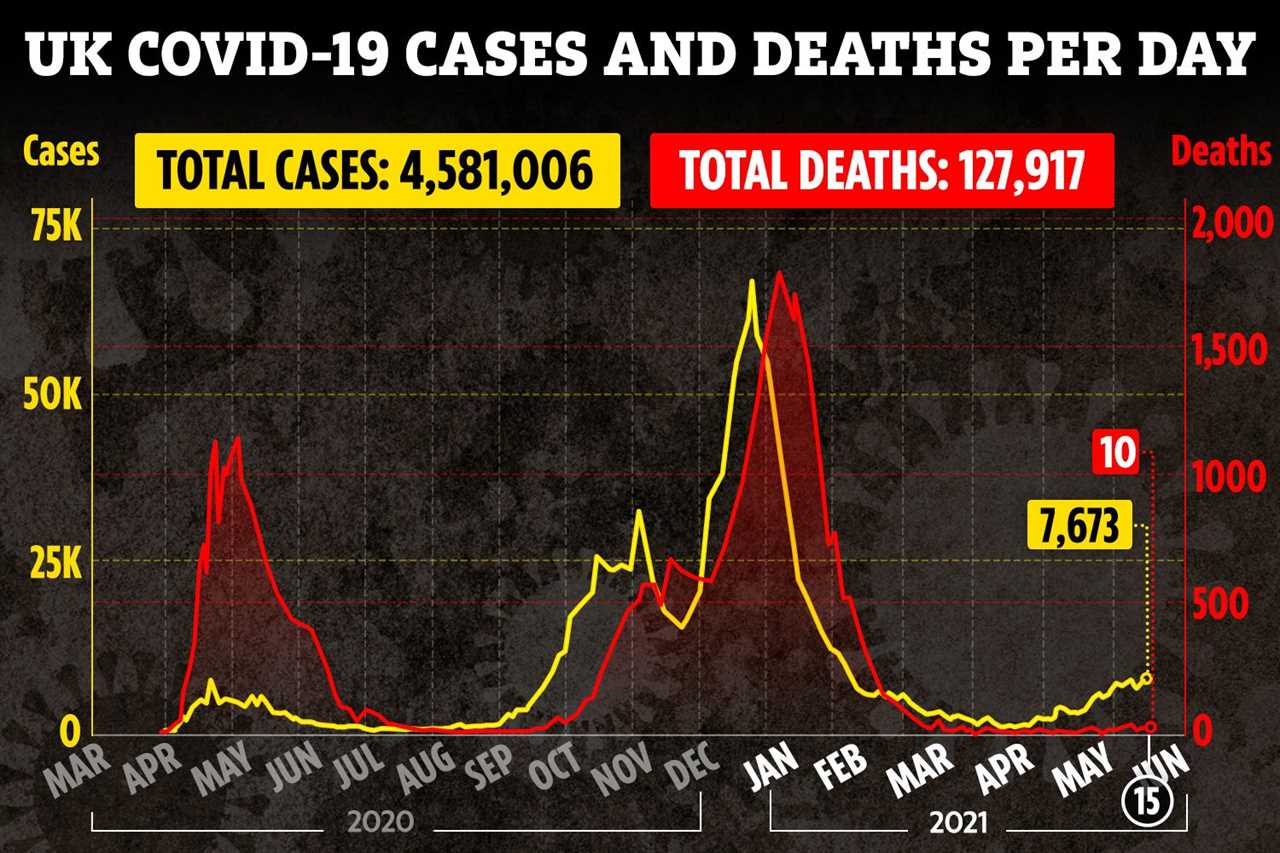
- UK Covid cases rise by 26 per cent in a week
- Piers Morgan slams an ‘ignorant’ anti-lockdown mob after the BBC’s Nick Watt hounded by protesters in Westminster
- More than 30m Brits are now double jabbed – as all over-18s to get their vaccine invite this week
- Waiting to lift lockdown could prove deadlier as we face a ‘super wave’ of Covid and flu, Sage warns
- Tory MPs warn ‘freedom day’ will be delayed again and say they don’t believe PM’s assurances it will go ahead on July 19
The committee is understood to be preparing a statement that could be released by the end of the week.
It follows a meeting on Monday where members spoke of the serious ethical concerns involved in inoculating youngers.
And they’ll now argue that more time is needed to look into the impact of vaccinating children in other countries – including Israel and the US – before a programme launches in the UK.
A Whitehall source told the paper: “Nobody is going to green-light the mass vaccination of children at this stage.
“Scientists want to see more data from the US and elsewhere before taking a firm stand either way.
“Nobody is going to make a final decision at this point. The JCVI will want to weigh up the benefits against the risks before vaccinating children, and it wants more data.”
The decision is likely to disappoint some in Government. It’s understood ministers have already instructed officials to be ready to roll out jabs for children this summer.
Many of the current vaccinations are believed to be safe for youngsters already.
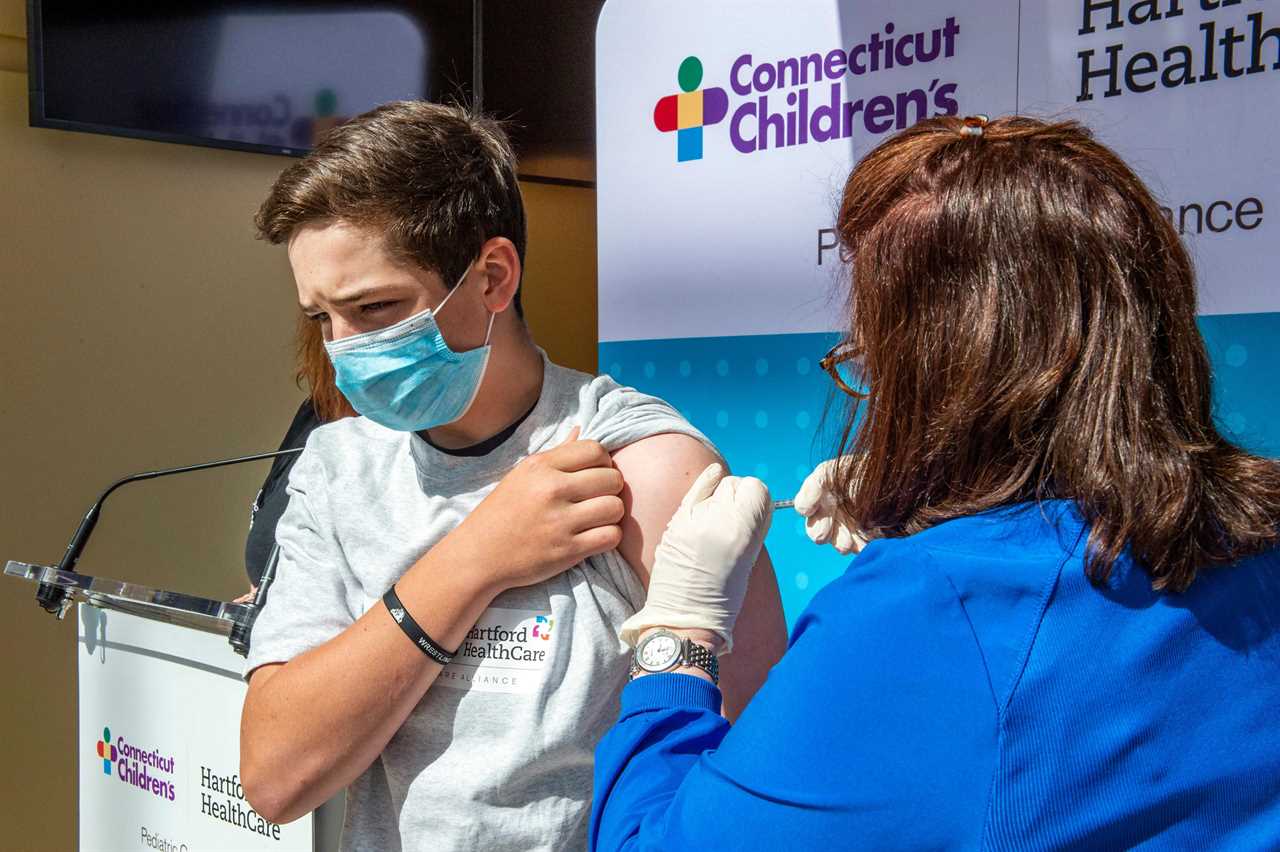
Pfizer, Moderna, AstraZeneca and Janssen are all being tested on under-18s.
In its own clinical trial, Pfizer found that the vaccine appeared 100 per cent effective. There were no serious side effects.
However, no firm decision has been reached in Government over the issue yet – despite teaching unions calling for youngsters to get the vaccine.
That’s because children are very unlikely to be badly affected by coronavirus – meaning the jab wouldn’t be given to protect their health, but to boost the chances of a return to normality.
Last night England’s chief medical officer said officials are looking into whether pupils could be vaccinated in a bid to ensure schools aren’t disrupted again in the future.
“There are two possible reasons you would want to vaccinate children, potentially, but with caution,” Prof Whitty said.
“The first would be those groups who actually are at high risk of Covid, and I think the JCVI will be putting forward advice on this about which of the groups they think are at particularly high risk.
“Those children, specifically, should be vaccinated to reduce the risk of them having serious disease and – in a very, very small number of cases, but it does happen, mortality.
“But the wider question is around also the effect on children’s education.
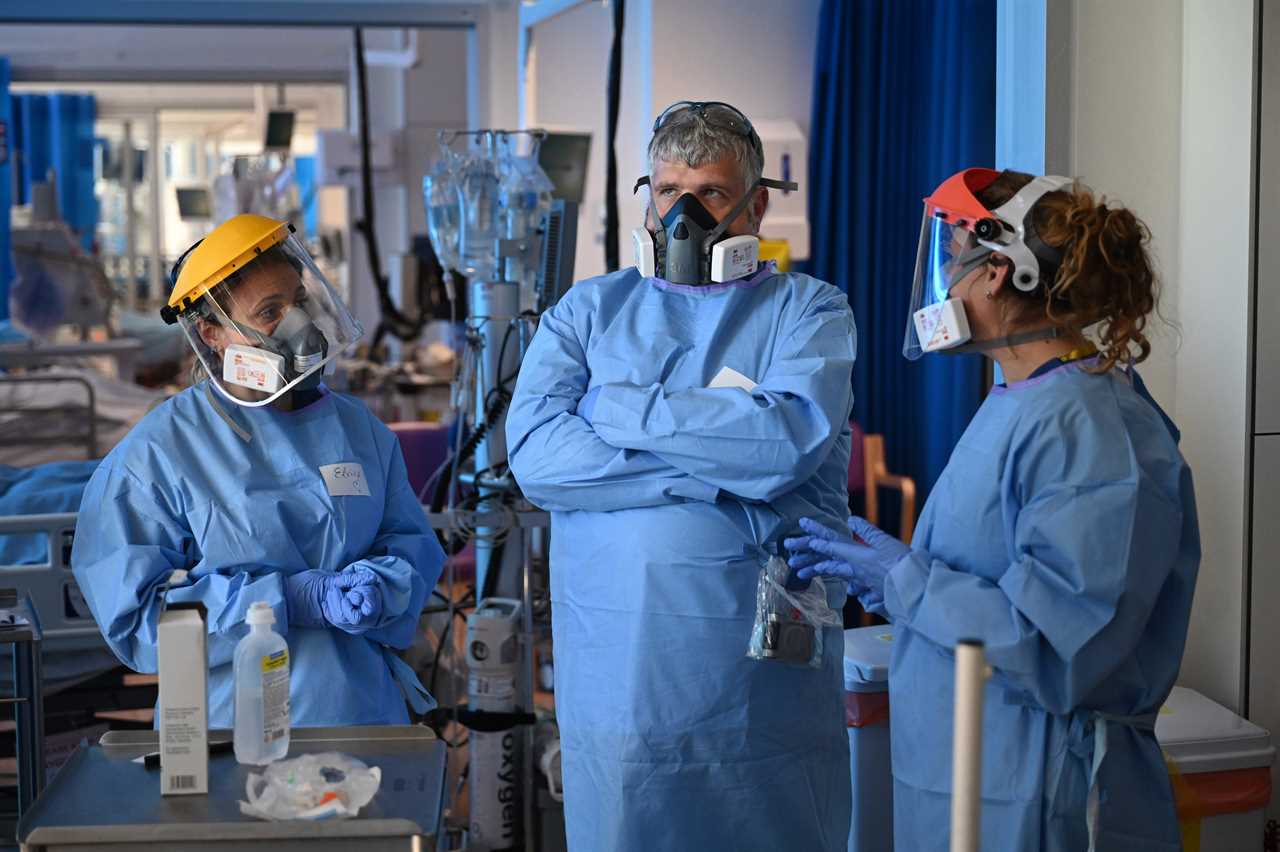
“Are the multiple disruptions Covid might have going to have a very negative impact on their life chances, including the effect it will have on long-term risk of physical and mental ill health?
“This is going to be a decision that’ll have to be based on the data we have available.
“But at the moment the big priority, as the Prime Minister said, is getting through all the adults down to 18, making sure they’re vaccinated and then double-vaccinated.”
He warned the “key thing” for youngsters is “safety”.
“We know that the risks, in terms of of physical disease to children, other than for some children with significant pre-existing problems of physical health, are much, much lower than for adults,” he said.
“So you wouldn’t want to vaccinate unless the vaccine was very safe.
“Vaccines are now being licensed in some countries and we’re accruing safety data on the safety of these vaccines in children.”
Boris Johnson has delayed the UK’s ‘freedom day’ until July amid surging cases of Covid propelled by the Indian – or Delta – mutation.
The PM said cases of the strain are growing by around 64 per cent week-on-week.
Positive tests in the worst-hit areas are doubling each week.
Meanwhile, the average number of people admitted to hospital is increasing by half week on week, and 61 per cent in the north-west.